Ancient Egyptian Recipes
Exploring Ancient Egyptian Recipes: A Culinary Journey Through Time
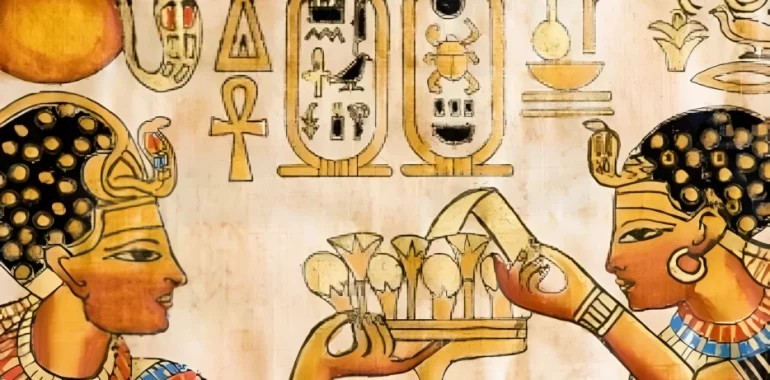
Ancient Egypt, a civilization known for its monumental architecture, advanced knowledge, and fascinating mythology, also had a rich culinary tradition that has intrigued historians and food enthusiasts alike.
The ancient Egyptians enjoyed a varied diet, with food playing a significant role in their daily lives and religious practices. From simple bread and beer to elaborate feasts fit for a pharaoh, the culinary habits of ancient Egypt
offer a unique window into the culture and lifestyle of this extraordinary civilization. In this blog post, we’ll explore some of the most iconic ancient Egyptian food recipes, offering you a taste of history that’s as delicious as it is fascinating.
The Staples of Ancient Egyptian Cuisine
Before diving into specific recipes, it’s important to understand the staples of the ancient Egyptian diet. Bread and beer were the cornerstones of Egyptian cuisine, consumed daily by people of all social classes. These staples were often accompanied by vegetables, fruits, and meats, depending on availability and wealth. The Nile River provided an abundance of fish, and the fertile land along its banks allowed for the cultivation of a variety of crops, including wheat, barley, lentils, and chickpeas.
1. Egyptian Flatbread (Eish Baladi)
Bread was a dietary staple in ancient Egypt, and while the methods of preparation have evolved over time, flatbread remains a popular item in modern Egyptian cuisine.
Ingredients: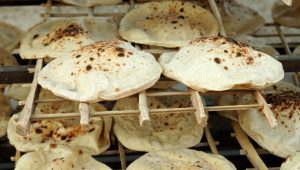
- 2 cups whole wheat flour
- 1 cup water
- 1 teaspoon salt
- 1 teaspoon yeast (optional for a fluffier texture)
Instructions:
- In a large bowl, mix the flour and salt.
- Gradually add water and knead the dough until it becomes smooth and elastic.
- Let the dough rest for about 30 minutes. If using yeast, allow it to rise until it doubles in size.
- Preheat a griddle or a flat pan over medium heat.
- Divide the dough into small balls and roll them out into thin, round discs.
- Cook each disc on the griddle until bubbles form, then flip and cook the other side until golden brown.
- Serve warm with honey or dip in olive oil for an authentic taste of ancient Egypt.
2. Lentil Stew (Ads)
Lentils were a common ingredient in ancient Egyptian cooking, valued for their nutritional content and ease of preparation. This simple yet hearty stew would have been a common meal, especially among the lower classes.
Ingredients:
- 1 cup red or brown lentils
- 1 onion, finely chopped
- 2 garlic cloves, minced
- 1 carrot, chopped
- 1 tablespoon olive oil
- 1 teaspoon cumin
- 1 teaspoon coriander
- Salt and pepper to taste
- 4 cups vegetable broth or water
Instructions:
- Heat olive oil in a pot over medium heat. Add the onions and garlic, and sauté until translucent.
- Add the carrots and continue to cook for a few more minutes.
- Stir in the cumin and coriander, allowing the spices to release their aroma.
- Add the lentils and broth, bringing the mixture to a boil.
- Reduce the heat and simmer for 20-25 minutes, or until the lentils are tender.
- Season with salt and pepper to taste. Serve with flatbread or rice for a complete meal.
3. Stuffed Grape Leaves (Wara’ Enab)
While not uniquely Egyptian, stuffed grape leaves were popular across ancient civilizations, including Egypt. These flavorful parcels make for a delicious appetizer or side dish.
Ingredients:
- 1 cup rice, uncooked
- 20-30 grape leaves (fresh or jarred)
- 1 onion, finely chopped
- 1 tomato, diced
- 2 tablespoons olive oil
- 1 teaspoon dried mint
- 1 teaspoon dill
- 1 lemon, juiced
- Salt and pepper to taste
Instructions:
- Rinse the rice under cold water until the water runs clear.
- In a bowl, mix the rice, onion, tomato, mint, dill, salt, and pepper.
- Blanch the grape leaves in boiling water for a few seconds, then drain.
- Lay a grape leaf flat, shiny side down. Place a small spoonful of the rice mixture in the center, then fold the sides over and roll tightly.
- Arrange the stuffed leaves in a pot, seam side down.
- Drizzle with olive oil and lemon juice, then add enough water to cover the rolls.
- Place a plate on top of the rolls to keep them submerged, then simmer over low heat for 40-45 minutes, or until the rice is fully cooked.
- Serve warm or at room temperature.
4. Date and Nut Balls (Tamr Masry)
Dates were a popular fruit in ancient Egypt, often enjoyed as a sweet treat or used in desserts. These date and nut balls are a simple yet delightful snack that captures the essence of ancient Egyptian confectionery.
Ingredients:
- 1 cup pitted dates
- 1/2 cup almonds or walnuts
- 1 tablespoon honey
- 1/2 teaspoon cinnamon
- 1/4 teaspoon cardamom
- Sesame seeds for rolling
Instructions:
- In a food processor, blend the dates and nuts until a sticky mixture forms.
- Add the honey, cinnamon, and cardamom, and pulse until well combined.
- Roll the mixture into small balls, then coat each ball in sesame seeds.
- Refrigerate for 30 minutes before serving.
5. Beer (Hqt)
Beer was a staple beverage in ancient Egypt, consumed by people of all ages and social classes. It was made from fermented barley and was often flavored with herbs or dates. While brewing your own beer at home might be a bit ambitious, understanding its importance in ancient Egyptian culture is key to appreciating their culinary traditions.
Bringing Ancient Egyptian Recipes to Your Kitchen
Recreating ancient Egyptian recipes allows us to connect with the past in a tangible and delicious way. These dishes, while simple, are packed with flavor and history, offering a glimpse into the daily lives of the people who built one of the most remarkable civilizations in human history. Whether you’re enjoying a bowl of lentil stew or savoring a sweet date ball, you’re partaking in a culinary tradition that has endured for thousands of years.
Why Ancient Egyptian Recipes Matter Today
Ancient Egyptian recipes aren’t just about replicating meals from the past; they offer a unique perspective on the culture, values, and daily life of a civilization that continues to fascinate us. By exploring these recipes, we gain a deeper understanding of the Egyptians’ connection to the land, their resourcefulness, and their culinary creativity. So, the next time you’re in the kitchen, why not try your hand at one of these ancient dishes? You might just discover a new favorite meal that’s as rich in history as it is in flavor.
