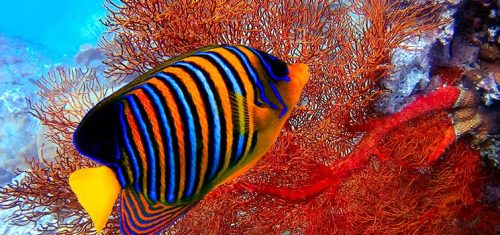
10 Stunning Fish in the Red Sea You Must See!
The Red Sea, with its strikingly clear waters and spectacular coral reefs, is renowned for its incredible marine life. Among its treasures, the fish in the Red Sea stand out for their diversity and vivid colors.
For anyone fascinated by underwater worlds, diving or snorkeling here promises an unforgettable experience, teeming with opportunities to encounter unique and beautiful species.
Table of Contents
ToggleThe Red Sea’s Unique Marine Environment
The Red Sea is renowned for its warm, saline waters and remarkable biodiversity. Its unique environmental conditions support a wide range of fish species, many of which are not found anywhere else in the world.
Features of the Red Sea’s Ecosystem:
- Warm Waters: Temperatures in the Red Sea range from 20°C (68°F) in winter to 30°C (86°F) in summer, creating an ideal environment for tropical fish.
- High Salinity: The Red Sea has higher salinity levels compared to most other seas, which influences the types of fish that thrive here.
- Coral Reefs: The extensive coral reefs provide critical habitats for numerous fish species, offering both food and shelter.
Fascinating Fish in the Red Sea
The fish in the Red Sea come in all shapes, sizes, and colors. Here are some of the most notable species you might encounter:
1. Clownfish
- Appearance: Bright orange with distinctive white stripes, clownfish are among the most recognizable fish in the Red Sea.
- Habitat: They typically live in the safety of sea anemones, which protect them from predators while the clownfish clean the anemones.
- Interesting Fact: Clownfish are known for their symbiotic relationship with sea anemones, which provides them with safety and food.
2. Napoleon Wrasse
- Appearance: This large fish is easily identifiable by its blue-green color and prominent hump on its forehead. It can grow up to 2.3 meters (7.5 feet) in length.
- Habitat: Found in coral reefs, where it feeds on crustaceans and mollusks.
- Interesting Fact: The Napoleon wrasse is a vulnerable species, crucial for maintaining reef health but threatened by overfishing and habitat loss.
3. Parrotfish
- Appearance: Named for their beak-like mouths, parrotfish exhibit vibrant colors such as green, blue, and pink.

- Habitat: They play a key role in coral reef ecosystems by grazing on algae, helping to maintain reef health.
- Interesting Fact: Parrotfish contribute to the formation of sandy beaches by producing sand as they feed on coral.

4. Lionfish
- Appearance: Recognizable by its striking red and white stripes and long, venomous spines.
- Habitat: Prefers sheltered coral reef areas and can be found at various depths.
- Interesting Fact: Lionfish are an invasive species in the Red Sea, having spread from the Indo-Pacific. They pose a threat to local marine life due to their predatory nature.
5. Triggerfish
- Appearance: With their robust bodies and strong jaws, triggerfish come in a range of colors including blues, greens, and grays.
- Habitat: Commonly seen around coral reefs where they feed on hard-shelled prey like sea urchins.
- Interesting Fact: Triggerfish are known for their aggressive behavior, especially during breeding season when they guard their nests.
6. Goby Fish
- Appearance: Small and often brightly colored, gobies are less noticeable but fascinating to watch.
- Habitat: Found in shallow waters and often have symbiotic relationships with other marine creatures like shrimp.
- Interesting Fact: Gobies play a vital role in cleaning larger fish by eating parasites, contributing to the health of the reef ecosystem.
List of fishes in the Red Sea – Wikipedia
The Importance of Coral Reefs
Coral reefs in the Red Sea are crucial for the survival of many fish species. They provide:
- Habitat: Reefs offer shelter and breeding grounds for numerous fish, supporting their life cycles.
- Food: They supply a rich source of food, from algae to small invertebrates.
- Protection: Reefs act as barriers that protect coastlines from erosion and storm damage.
Challenges Facing the Fish in the Red Sea
Despite its beauty, the Red Sea faces several threats that impact the fish living there:
- Overfishing: Both commercial and recreational fishing pressures can deplete fish populations and disrupt ecological balances.
- Coral Bleaching: Increased sea temperatures lead to coral bleaching, which impacts the entire reef ecosystem and the fish that depend on it.
- Pollution: Coastal development and pollution from land-based sources can harm marine habitats and affect water quality.
- Climate Change: Rising temperatures and changes in ocean chemistry can alter fish distributions and disrupt breeding patterns.
How to Enjoy and Protect the Fish in the Red Sea
For those eager to explore the underwater world, here are some tips to ensure a responsible and enjoyable experience:
- Follow Local Guidelines: Adhere to regulations for snorkeling and diving to minimize impact on marine environments.
- Avoid Touching Marine Life: Observe fish and coral from a distance to avoid disturbing their natural behaviors.
- Choose Reef-Safe Sunscreen: Use products that don’t harm coral reefs or marine life.
- Support Conservation Efforts: Contribute to or participate in initiatives aimed at preserving the Red Sea’s marine environment.
Conclusion
The fish in the Red Sea offer a captivating glimpse into one of the world’s most diverse and vibrant marine ecosystems. From the playful clownfish to the majestic Napoleon wrasse,
each species adds to the rich tapestry of life beneath the waves. By understanding and respecting this unique environment, we can help preserve its beauty and biodiversity for future generations.
Whether you’re a seasoned diver or simply a marine enthusiast, exploring the Red Sea’s underwater world promises an unforgettable adventure. Take the time to appreciate the extraordinary
fish that inhabit this stunning sea and contribute to their protection to ensure that future generations can enjoy the same wonders.
