7 Fascinating Insights into the Ankh Gods of Egypt
The Ankh Gods of Egypt: A Journey Through Life, Death, and Symbolism
Introduction to the Ankh
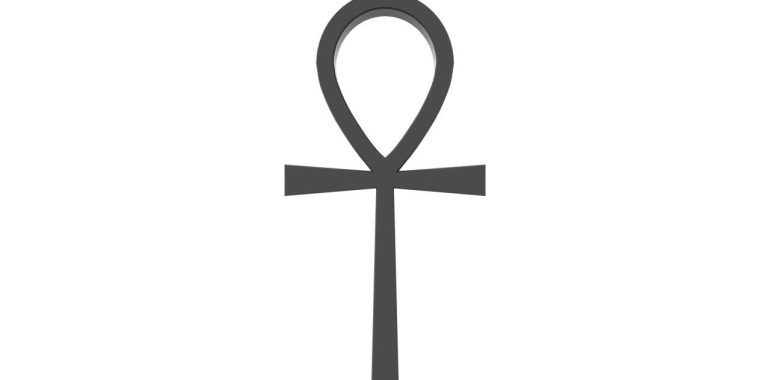
When we think of ancient Egypt, images of towering pyramids, majestic pharaohs, and intricate hieroglyphs often come to mind. However, one of the most enduring symbols from this ancient civilization is the ankh. This beautiful symbol, resembling a cross with a loop at the top, is not just a decorative motif; it represents life, immortality, and the divine connection between gods and mortals. In this blog post, we will explore the significance of the ankh in relation to the ankh gods of Egypt, examining how these deities embody the values and beliefs of ancient Egyptian society.
What is the Ankh?

ankh is often referred to as the “key of life” or “cross of life.” It has been discovered in numerous artifacts, wall carvings, and tomb paintings, often held by gods or pharaohs as a symbol of their divine authority and connection to the afterlife. The loop at the top of the ankh signifies the union of male and female, symbolizing life and fertility. Its shape has become synonymous with ancient Egyptian spirituality, representing not only physical life but also eternal life after death.
Ankh Gods of Egypt
- Osiris: God of the Afterlife
Osiris, one of the most significant gods in the Egyptian pantheon, is closely associated with the ankh. As the god of the afterlife, resurrection, and fertility, Osiris embodies the concept of eternal life. He is often depicted holding an ankh, which symbolizes his ability to grant life to the deceased and ensure their passage into the afterlife. The stories of Osiris’s death and resurrection emphasize the cyclical nature of life and death, making him a central figure in the beliefs surrounding the afterlife.
- Isis: Goddess of Magic and Motherhood
Isis, the wife of Osiris, is another deity deeply connected to the ankh. She represents motherhood, magic, and healing. In many depictions, she is shown holding an ankh, signifying her role in nurturing and protecting life. Isis’s magic played a crucial role in the resurrection of Osiris, showcasing the powerful link between the ankh and the theme of rebirth. Worshippers would often invoke her blessings for fertility and protection during childbirth, highlighting the ankh’s significance in both life and motherhood.
- Horus: God of the Sky and Kingship
Horus, the son of Osiris and Isis, is another important figure among the ankh gods of Egypt. Often depicted as a falcon or a man with a falcon head, Horus embodies the ideals of kingship and protection. He is commonly portrayed holding an ankh, symbolizing his divine right to rule and his connection to life and vitality. The Eye of Horus, another powerful symbol, is often associated with protection and healing, further emphasizing the significance of the ankh in his representation.
- Anubis: God of Mummification and the Afterlife
Anubis, the god associated with mummification and the protection of graves, also has ties to the ankh. While his primary symbol is the jackal, he is sometimes shown holding an ankh, representing his role in guiding souls to the afterlife. Anubis was believed to protect the deceased and ensure their safe passage into the next world, making the ankh a fitting symbol of his duties.
- Ra: The Sun God
Ra, the sun god and creator deity, is another figure associated with the ankh. As the source of life and light, Ra’s connection to the ankh signifies the life-giving power of the sun. In many representations, Ra is depicted holding an ankh, reinforcing the idea that life itself is a divine gift. The daily journey of Ra across the sky symbolizes the cycle of life, death, and rebirth, echoing the beliefs surrounding the ankh.
The Ankh in Everyday Life
The ankh was not merely a symbol reserved for gods; it permeated everyday life in ancient Egypt. Egyptians used the ankh in jewelry, amulets, and decorative items, believing it would provide protection and ensure a long, healthy life. It was common for people to wear ankhs around their necks or carry them as talismans, hoping to attract the blessings of the gods associated with life and immortality.
The Ankh in Tombs and Burial Practices
In ancient Egyptian burial practices, the ankh played a crucial role in ensuring safe passage to the afterlife. Often, the ankh would be placed in the hands of the deceased, symbolizing their connection to the gods and their hope for resurrection. Tomb paintings frequently depicted gods presenting ankhs to the deceased, signifying their acceptance into the realm of the afterlife. This ritual underscored the importance of the ankh as a bridge between the mortal and divine worlds.
Modern Interpretations of the Ankh
Today, the ankh continues to hold significance as a symbol of life and spirituality. It has been embraced by various cultures and movements, often associated with African heritage, spirituality, and the quest for eternal life. The ankh appears in contemporary jewelry, art, and fashion, representing a connection to ancient wisdom and the belief in life’s enduring nature.
Conclusion
The ankh gods of Egypt embody the rich tapestry of ancient Egyptian beliefs surrounding life, death, and the divine. Through deities like Osiris, Isis, Horus, Anubis, and Ra, the ankh serves as a powerful symbol of the interconnectedness of all life and the hope for immortality. As we explore the significance of the ankh, we gain insight into the values and beliefs that shaped the ancient Egyptian worldview—a worldview that still resonates today. Whether in art, jewelry, or spirituality, the ankh continues to inspire and remind us of the profound mysteries of existence and the eternal cycle of life.
